Navigating the complex landscape of federal trucking regulations is essential for understanding liability in Nevada accidents involving commercial vehicles. In this article, we explore the various legal standards that govern trucking accidents, the processes for determining liability, and the implications for all stakeholders involved. With many individuals facing confusion and uncertainty following such incidents, recognizing the pertinent regulations and legal benchmarks can greatly aid affected parties. We'll delve into the Federal Motor Carrier Safety Administration rules, Nevada state laws, and detailed legal procedures to pursue claims effectively. This comprehensive guide aims to empower individuals by demystifying these regulations and highlighting the steps to take after an accident in Nevada.
Legal Requirements
Understanding the legal framework surrounding trucking accidents in Nevada is crucial for any injured party seeking compensation. Various legal standards govern liability, and the principle of negligence is central to these considerations. Negligence, in this context, refers to the failure of a party to take reasonable measures to prevent harm to others. Federal regulations also play a significant role in establishing standards for truck drivers and companies. Moreover, individuals must be mindful of the statute of limitations, as deadlines for filing personal injury claims are strictly enforced. Recognizing these fundamental legal requirements can significantly influence the outcome of accident claims.
Processes for Determining Liability
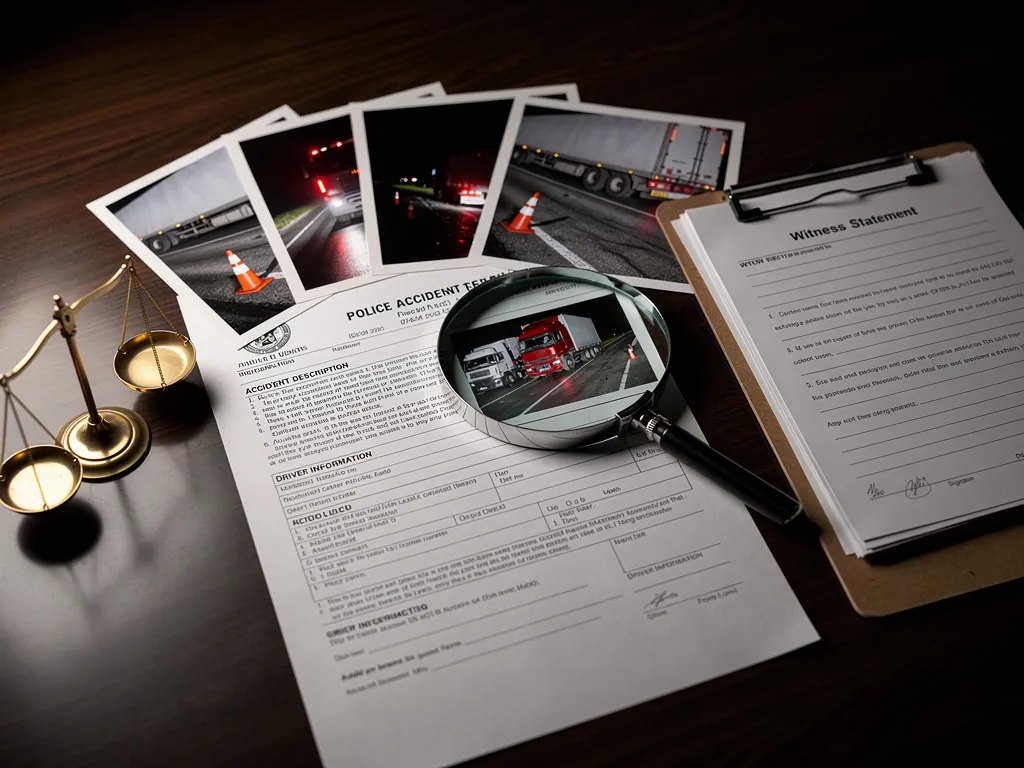
Determining liability in trucking accidents involves a systematic approach that considers multiple factors. Key steps in this process include:
Evidence Collection: Gathering information such as accident reports, photographs, and witness statements is crucial for substantiating claims.
Witness Statements: Eyewitness accounts can provide critical insights into the circumstances surrounding the accident.
Insurance Involvement: Interaction with insurance companies also plays an essential role in the liability assessment process, as insurers evaluate the details and claims presented.
By understanding how these processes work, injured parties can better navigate their claims and work towards securing fair compensation.
Implications for Stakeholders
Different stakeholders in a trucking accident can experience significant impacts based on liability determinations. The following outlines how they are affected:
Compensation for Injured Parties: Victims expect to receive fair compensation for medical bills, lost wages, and emotional distress resulting from accidents.
Trucking Company Responsibilities: Companies must ensure that their drivers adhere to federal regulations and maintain safe operating conditions to mitigate liability.
Legal Representation Importance: Representation by experienced legal professionals can influence outcomes significantly, aiding victims in navigating complex legal landscapes.
These implications highlight the importance of understanding liability and the legal parameters at play in commercial trucking incidents.
What Are the Federal Motor Carrier Safety Regulations Governing Truck Drivers?
The Federal Motor Carrier Safety Administration (FMCSA) sets forth critical regulations that govern truck drivers' behavior and responsibilities. These regulations are designed to ensure safety on the nation's roads and cover a range of aspects including driver qualifications, vehicle maintenance standards, and hours of service regulations. Compliance with these regulations is paramount, as violations can directly result in increased liability in the event of an accident.
How Do Federal Hours of Service Rules Impact Truck Driver Compliance?
Federal hours of service rules dictate the maximum amount of time truck drivers can operate their vehicles without taking a break. Violations of these rules can lead to driver fatigue, significantly increasing the risk of accidents. Additionally, such violations can be used against the driver or their employer in liability claims, as they indicate a lack of adherence to safe operating practices.
Which Commercial Driver License Requirements Apply Under Federal Law?
Under federal law, commercial drivers must meet specific qualifications to obtain a commercial driver's license (CDL). This includes passing a series of tests and demonstrating proficiency in operating large vehicles. Holding a valid CDL is essential, as failing to meet these requirements can lead to disqualification and can adversely affect liability in the event of an accident.
Which Nevada State Laws Govern Trucking Accidents and Personal Injury Claims?
Nevada state laws provide unique guidelines regarding trucking accidents and personal injury claims. Key aspects include the state's negligence laws that dictate how liability is assessed. Nevada follows a modified comparative negligence system, whereby multiple parties can be assigned a percentage of fault, affecting the overall compensation awarded. Understanding these laws is crucial for anyone pursuing a claim related to a trucking accident.
What Are the Statutory Filing Deadlines for Truck Accident Claims in Nevada?
In Nevada, individuals seeking to file a claim for a trucking accident must adhere to specific statutory deadlines. Typically, the deadline for filing personal injury claims is two years from the date of the accident. However, exceptions may apply in certain circumstances, underscoring the importance of timely legal action. Failure to comply with these deadlines can result in the dismissal of a claim.
How Does Nevada Law Define Liability Standards in Truck Crashes?
Nevada law defines liability standards in truck crashes based on a thorough examination of negligence. This requires establishing that a party acted negligently and that their actions directly caused harm. Key elements include demonstrating the duty of care owed to other road users, the breach of that duty, and the resulting damages. Understanding these parameters aids in assessing the likelihood of a successful claim.
How Is Liability Determined in Nevada Truck Accidents: Driver Versus Company Responsibility?
Liability determination in Nevada often involves analyzing the roles of both drivers and companies. Drivers are responsible for adhering to traffic laws and safe driving practices, while companies must ensure that their employees are adequately trained and their vehicles are maintained correctly. Evaluating shared liability involves looking at the specific actions taken by each party and the context surrounding the incident.
Under What Conditions Is a Truck Driver Found Negligent in Accidents?
Truck drivers can be found negligent under various circumstances, including:
Distractions While Driving: Engaging in activities such as texting or using a mobile device while driving can constitute negligence.
Driving Errors and Accidents: Mistakes such as speeding or failing to yield can directly lead to accidents.
Legal Implications of Driver Actions: Such negligent actions can significantly affect liability assessments in personal injury claims.
Awareness of these factors can guide all parties in understanding their responsibilities and potential risks.
When Are Trucking Companies Held Liable for Employee Negligence and Regulatory Violations?
Trucking companies can be held liable for their employees' negligent actions under the doctrine of vicarious liability. This legal principle holds employers responsible for the negligent conduct of their employees performed within the course of their employment. Additionally, regulatory violations can increase company liability, particularly if such violations directly contribute to an accident. Companies must remain compliant with federal regulations to mitigate their risk.
What Are the Essential Steps to Filing a Truck Accident Personal Injury Claim in Nevada?
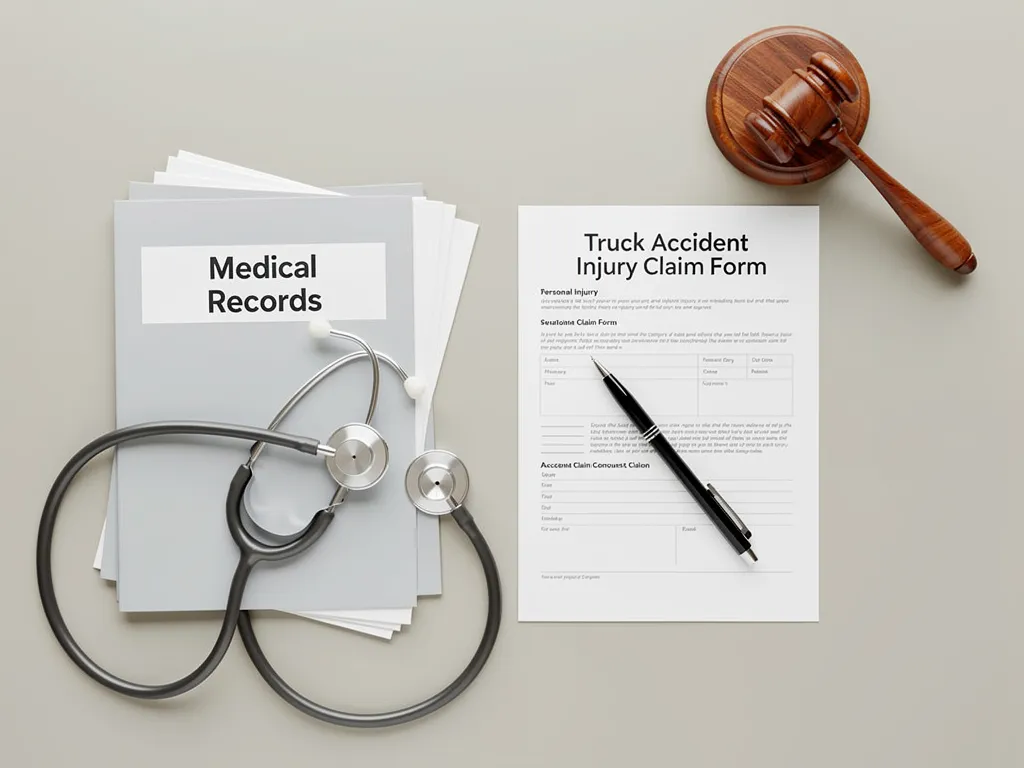
Filing a truck accident personal injury claim in Nevada involves several critical steps:
Seek Medical Attention: Priority should be given to obtaining medical care for injuries.
Gather Necessary Documentation: Collecting relevant medical records, accident reports, and other evidence is vital.
Consult Legal Assistance: Engaging with a knowledgeable attorney can significantly streamline the claims process and improve the likelihood of a favorable outcome.
Following these steps can assist individuals in effectively navigating their claims.
What Documentation Is Required to Support a Federal and State Trucking Accident Claim?
Proper documentation is essential to substantiate claims for trucking accidents. Critical documents include:
Medical Records and Reports: Necessary for establishing the extent of injuries sustained.
Evidence of Negligence and Damages: Documents that demonstrate fault and quantify damages are vital for a successful claim.
Importance of Timely Documentation: Gathering this information promptly can prevent complications in filing claims.
Ensuring comprehensive documentation strengthens the viability of a case during legal proceedings.
How Do Timelines and Legal Procedures Affect Filing and Pursuing Claims?
Navigating timelines and legal procedures is crucial for individuals pursuing claims following trucking accidents. Understanding the statutes of limitations, as well as key procedural steps, assists in ensuring compliance with legal requirements. Delays in filing or gathering required evidence can jeopardize the potential for recovery, emphasizing the need for prompt action. It is critical for affected individuals to be aware of these factors to enhance the chances of successful claims.