

Experiencing a car accident can be a traumatic event, leaving individuals unsure of the next steps to take. Understanding the immediate actions to follow can significantly impact safety and the claims process. This guide outlines essential first steps to ensure safety, document the incident, and navigate the reporting process effectively. By knowing what to do after a car accident, you can protect yourself and your rights while minimizing stress during a challenging time. The article will cover immediate actions to take, how to document injuries and gather evidence, and the proper process for reporting the accident to authorities and insurance.
What Are the Immediate Actions to Take Right After a Car Accident?
After a car accident, the first priority is ensuring safety for all involved. This includes assessing the situation and taking necessary precautions to prevent further injury.
How to Ensure Safety and Prevent Further Injury
To secure the accident scene and protect individuals, follow these steps: practice areas
Move Vehicles to Safety: If possible and if it is safe to do so, move vehicles out of traffic to prevent additional accidents.
Use Hazard Lights: Activate hazard lights to alert other drivers of the situation.
Set Up Warning Triangles: Place warning triangles or flares behind the vehicles to increase visibility for oncoming traffic.
These actions help create a safer environment while waiting for emergency services to arrive.
When and How to Call Emergency Medical Help
Knowing when to call for medical assistance is crucial. If anyone is injured or if there is significant damage, contact emergency services immediately.
Assess Injuries: Check for visible injuries among all parties involved, but avoid moving injured persons unless necessary to prevent further harm.
Provide Information: When calling, clearly state your location, the nature of the accident, and the number of people injured.
Follow Dispatcher Instructions: Stay on the line and follow any instructions given by the dispatcher until help arrives.
Prompt medical attention can be vital in preventing further complications.
How Do You Document Injuries and Gather Evidence Effectively?
Thorough documentation of the accident is essential for insurance claims and potential legal actions.
What Should a Car Accident Medical Checklist Include?
A comprehensive medical checklist can help ensure that all necessary information is collected:
List of Symptoms: Document any pain or symptoms experienced after the accident.
Contact Information for Medical Providers: Keep a record of any medical professionals consulted for treatment.
Follow-Up Appointments: Note any scheduled follow-up visits for ongoing care.
This checklist aids in tracking medical treatment and supports claims for injuries sustained.
This perspective is further supported by research into the comprehensive management of accident-related health issues.
Car Accident Injuries, Treatment & Insurance Claims
This study analyzed factors influencing clinical symptoms and treatment of patients with traffic accident injuries. It used a retrospective chart review and questionnaire survey obtained from 560 patients (266 men and 294 women). It also conducted follow-up observations of progress after car insurance settlements and investigated the usefulness of and patient satisfaction with integrative Korean medicine treatment for traffic accident injuries.
Factors influencing clinical symptoms and treatment of patients with traffic accident injuries: A retrospective chart review with a questionnaire survey, 2021
How to Collect and Preserve Police Reports and Accident Details
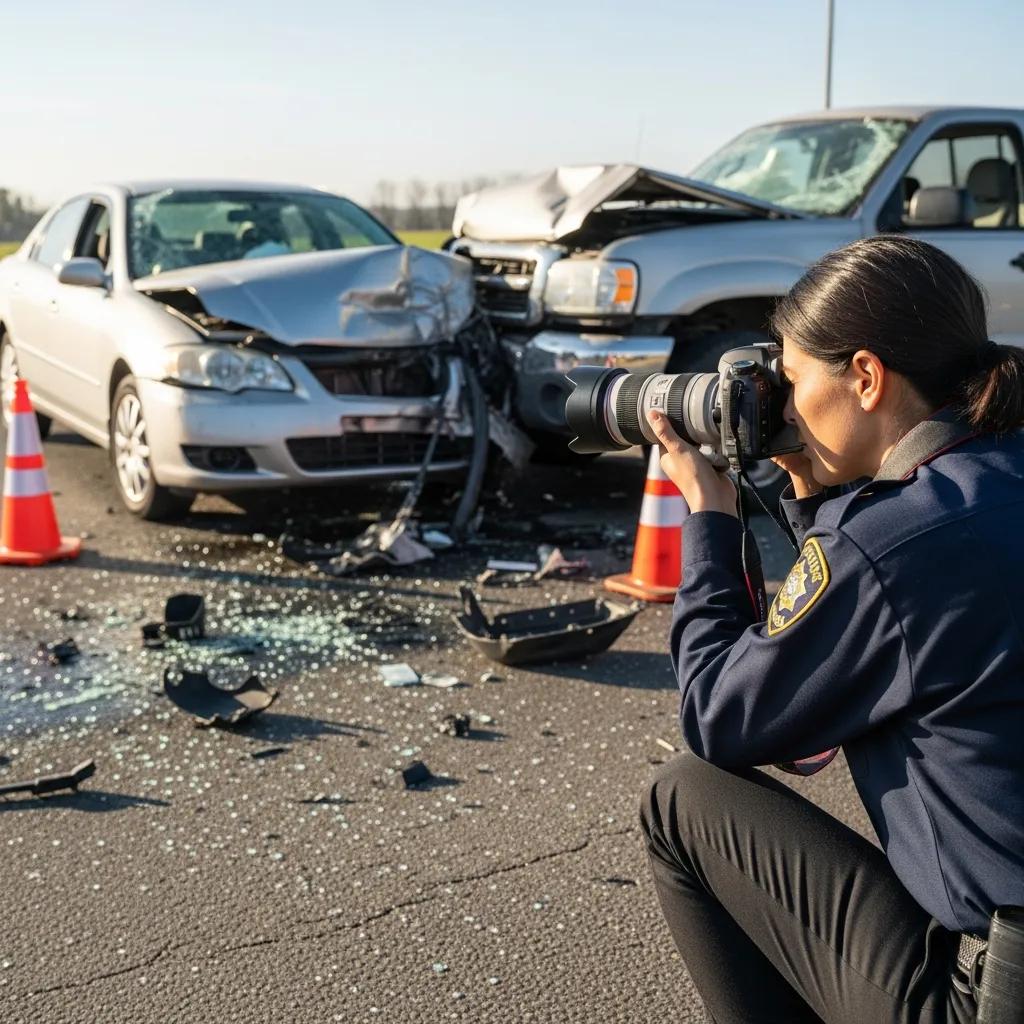
Obtaining and preserving important documents is crucial for the claims process.
Request Police Reports: After the accident, request a copy of the police report, which includes details of the incident.
Document Accident Details: Take photos of the accident scene, vehicle damage, and any visible injuries.
Gather Witness Information: Collect names and contact information from any witnesses present at the scene.
These steps ensure that you have the necessary evidence to support your case.
What Is the Proper Process for Reporting a Car Accident to Authorities and Insurance?
Reporting the accident to the appropriate authorities and your insurance company is a critical step in the aftermath of a car accident.
How to File a Police Report: Steps and Important Information
Filing a police report involves several key steps:
Contact Local Authorities: Call the police to report the accident, especially if there are injuries, significant damage, or if the accident involves a public road.
Provide Necessary Information: Be prepared to give details about the accident, including location, time, and involved parties.
Obtain a Copy of the Report: After filing, request a copy of the report for your records.
This report serves as an official account of the incident.
What Are the Key Steps in the Insurance Claim Filing Process?

Filing an insurance claim requires careful attention to detail:
Notify Your Insurance Company: Contact your insurer as soon as possible to report the accident, typically within 24 hours or as soon as is reasonably possible.
Provide Documentation: Submit all collected evidence, including the police report, medical records, and photographs.
Follow Up: Keep in touch with your insurance adjuster to ensure your claim is processed efficiently.
Following these steps can help streamline the claims process and ensure you receive the compensation you deserve.
Understanding the practical realities of how insurance claims are handled can provide further context to the process.
Summary of Essential Steps After a Car Accident
This table categorizes the critical actions to take immediately after a car accident, focusing on safety, documentation, and reporting processes. Understanding these steps can help ensure your safety and support your insurance claims effectively.
Action Category | Specific Actions | Purpose |
|---|---|---|
Safety Measures | Move Vehicles to Safety, Use Hazard Lights, Set Up Warning Triangles | Prevent further accidents and ensure safety for all involved. |
Medical Assistance | Assess Injuries, Call Emergency Services, Follow Dispatcher Instructions | Ensure prompt medical attention for injured parties. |
Documentation | Request Police Reports, Document Accident Details, Gather Witness Information | Collect evidence for insurance claims and legal purposes. |
Reporting | File a Police Report, Notify Insurance Company, Provide Documentation | Officially report the accident and initiate the claims process. |
Personal Record Keeping | Maintain a Log of Activities, Seek Medical Evaluation, Consult Legal Advice | Track all accident-related activities and protect your rights. |
By following these categorized steps, you can enhance your safety and streamline the claims process, ensuring that you are well-prepared to handle the aftermath of a car accident effectively. practice areas
Navigating Car Insurance Claims & Legal Rights
The decision-maker who determines in practice the extent of legal rights and duties is most often a low-level employee of a bureaucracy—apatrolman, a tax auditor, a building inspector, or an insurance adjuster. He is usually untutored in academic law and possesses discretion because of his isolation from supervision, rather than by design. The decisions in theory may be removed from the bureaucracy and tried in a court of law. Critical attention, however, has recently focused on the fact that most claims based on legal rights are too small to warrant the cost and inconvenience of a formal trial. There has been less attention paid to the fact that bureaucracies typically offer int
Insurance Claims Complaints: A Private Appeals Procedure, 1975
Additional Tips to Enhance Safety and Support Your Claim
Beyond the immediate steps, there are additional actions you can take to protect your safety and strengthen your insurance claim.
Stay Calm and Avoid Admitting Fault
It is natural to feel stressed after an accident, but staying calm helps you think clearly. Avoid admitting fault or making statements that could be interpreted as accepting blame, as liability is determined through investigation.
Seek Medical Evaluation Even If You Feel Fine
Some injuries may not be immediately apparent. Visiting a healthcare professional promptly ensures that any hidden injuries are diagnosed and documented, which is important for your health and for insurance purposes.
Keep a Detailed Personal Record
Maintain a personal log of all accident-related activities, including medical visits, conversations with insurance representatives, and expenses incurred. This record can be invaluable if disputes arise.
Consult Legal Advice When Necessary
If the accident involves serious injury, disputed liability, or complex insurance issues, consulting with a qualified injury attorney can help protect your rights and guide you through the claims process.
Understanding the Broader Impact of Car Accidents
Car accidents not only affect those directly involved but also have wider social and economic consequences. According to the World Health Organization, road traffic injuries are a leading cause of death globally, particularly among young adults. Effective post-accident management and reporting contribute to better outcomes and help inform policies aimed at improving road safety.
For more detailed information on road safety and accident prevention, visit the pedestrian accidents page.