
By Taylor Vold, Cardenas Law Group
A dog bite lawyer can help you navigate urgent medical questions and a confusing insurance process after an attack. Nevada law may apply. First, focus on a few practical steps: get medical care, identify the dog and its owner, and write down what happened. Nevada has rules for vicious dogs, a two-year deadline for many injury claims, and a law that can reduce damages based on fault. The details of the incident matter.
Steps to Take After a Dog Bite
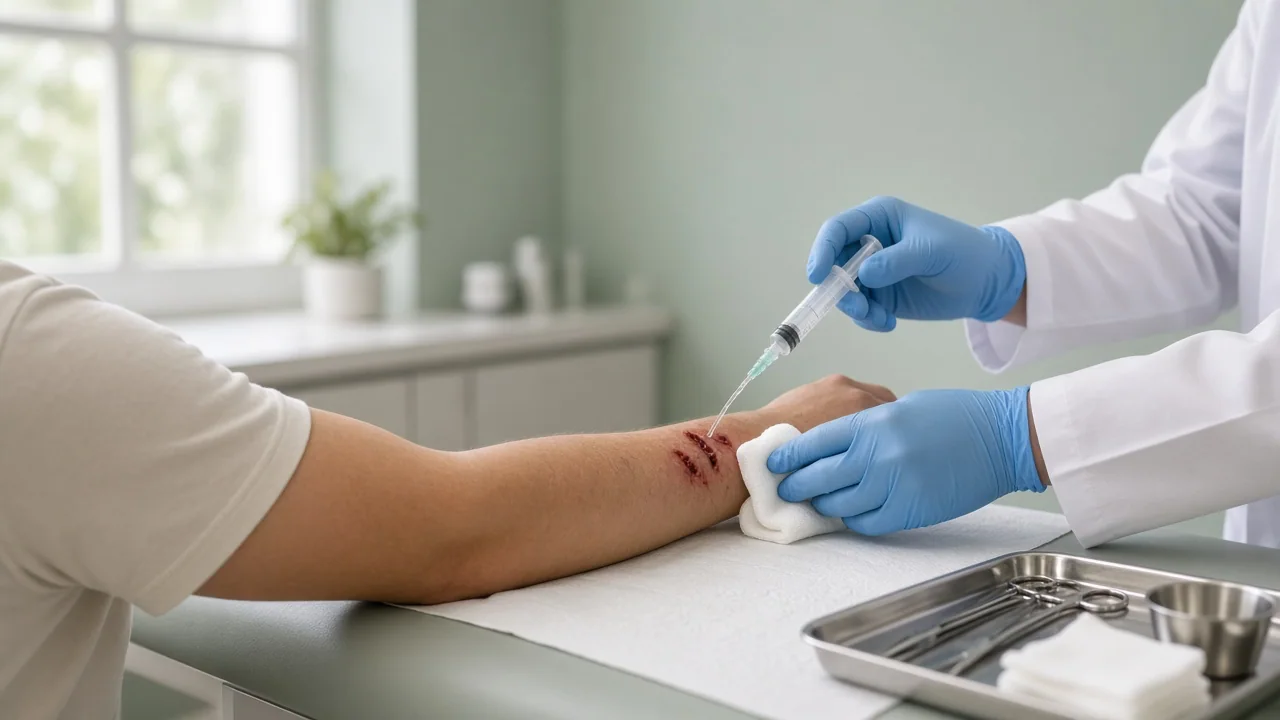
Get medical care. A clinician can check the injury and discuss infection or rabies risks. Keep records of your care, instructions, and related costs.
Contact local animal control. Reporting rules vary by area. Ask the local agency what it needs and whether you should follow up on the dog’s vaccination status or quarantine period. In Clark County, contact Animal Protection Services.
Record what happened. Take photos of your injuries and the place where the bite happened. Save messages and note the date, time, and events. If it is safe, get the owner’s contact details and the names of any witnesses.
These records can show what is known and what still needs to be checked. An animal-control report alone does not prove civil liability.
Nevada Dog-Bite Law and Fault
Nevada Revised Statutes (NRS) 202.500 covers vicious dogs, related definitions, and penalties. It does not mean every bite leads to civil liability or a set payment. Whether an owner or another party may be responsible depends on the evidence and legal basis for the claim. Past incidents, warnings, how the dog was handled, and local rules may all matter.
Do not assume Nevada applies strict liability to every dog bite. Strict liability is one legal theory, and its use depends on the claim’s facts and the law. A lawyer can review whether the evidence supports strict liability, negligence, or another legal basis. If the dog lived at a property, you may also want to ask about premises liability. That does not make the property owner automatically liable. Each animal attack claim depends on its facts, not just its legal label.
Fault can also affect a claim. Under NRS 41.141, a person generally cannot recover damages in a negligence case if their share of fault is greater than the defendants’ combined share. If their share is not greater, their damages are reduced by their share of fault.
For example: An insurer might argue that an injured person ignored a warning before going near a dog. The insurer may raise comparative fault. The warning is only one piece of evidence. The situation and each person’s actions help determine fault. That evidence may also affect whether the owner is liable, but it does not decide the case on its own. An accident report can preserve details, but it does not by itself settle liability.
How an Injury Claim Is Evaluated
A claim often turns on evidence that links the bite to the injuries and losses. Medical records, photos, witness accounts, animal-control records, and messages with the owner or insurer can help explain what happened. Keep copies of bills and records of missed work. Follow your clinician’s treatment advice, too. A dog bite injury may involve more than the initial wound, so keep notes about treatment and changes in daily activities. Lawyers can help organize evidence of injuries and explain which damages may be supported.
Medical expenses: Keep records of treatment costs and any well-supported need for future care.
Lost income: Save pay records and details of time you missed from work because of the injury.
Pain and suffering: The law may allow these damages when the facts support them. There is no guaranteed formula for the amount.
A personal injury claim may include medical costs, lost income, and other losses supported by evidence. A dog bite can affect a person’s body and emotions. Records can show how the injury changed daily life. The owner’s insurance policy and available coverage may affect how a claim moves forward. But coverage or a claim does not guarantee payment. If an animal attack causes a death, eligible family members may face separate legal questions about a wrongful death claim.

Filing Deadline for a Nevada Dog-Bite Claim
Nevada generally gives a person two years to file a personal injury lawsuit. The deadline is set out in NRS 11.190(4)(e). If you miss the deadline, your claim may not be allowed to proceed. Do not rely on informal talks with an insurer to protect your rights. This filing limit is often called the statute of limitations.
Nevada’s tolling law, NRS 11.250, covers some cases involving a person under the age of majority or a person who is legally incapacitated. Whether this law applies, and how it changes a deadline, depends on the situation.
When to Speak With a Dog Bite Lawyer
A dog bite lawyer can review the evidence, spot possible legal issues, and speak with an insurer. The lawyer can also explain which records may matter if the owner denies responsibility. An injury lawyer may assess whether the evidence supports a personal injury claim. A lawyer familiar with dog bites can discuss possible damages. When you consider hiring a lawyer, ask about their experience with injury claims, fees, and what information they need to review your case. Many personal injury lawyers charge a contingency fee. The written agreement sets the terms, so read it with care.
Cardenas Law Group is led by Las Vegas attorney Rob Cardenas and offers free consultations. This article gives general information, not legal advice about a specific incident.
A clear record made early can matter long after the bite heals.