

Rideshare services like Uber and Lyft have transformed urban transportation, but they also raise complex legal questions, especially when accidents occur. Passengers involved in rideshare crashes often find themselves uncertain about their rights and the claims process. This article aims to clarify the legal rights of passengers in rideshare accidents, detailing how to file a claim, the types of injuries commonly sustained, and the compensation passengers can expect. Understanding these aspects is crucial for anyone who has been injured while using rideshare services. We will explore the legal landscape surrounding rideshare accidents, the responsibilities of various parties, and the necessary steps to ensure that passengers can assert their rights effectively.
The unique operational model of ridesharing platforms often presents challenges in fitting these incidents into traditional legal frameworks, particularly concerning tort law.
Rideshare Accidents: Tort Law & Legal Framework Challenges
The driver was logged into Uber at the time of the accident, yet ridesharing does not fit neatly into the existing framework.
Regulating ridesharing platforms through tort law, AA McPeak, 2016
What Legal Rights Do Passengers Have in Rideshare Crashes?
Passengers in rideshare accidents have specific legal rights that protect them in the event of an injury. These rights include the ability to seek compensation for medical expenses, lost wages, and pain and suffering. Rideshare companies are generally required to carry insurance that covers passengers during a trip, which can provide a safety net for those injured in accidents. Understanding these rights is essential for passengers to navigate the aftermath of a crash effectively.
Which Parties Can Be Held Liable in a Rideshare Accident?

In a rideshare accident, several parties may be held liable, including:
The Driver: If the driver was negligent or reckless, they could be held responsible for the accident.
Rideshare Companies: Companies like Uber and Lyft may also bear liability, especially if the driver was acting within the scope of their engagement or during a covered period under the company’s insurance policy.
Third Parties: Other drivers or pedestrians involved in the accident may also share liability depending on the circumstances.
Identifying the liable parties is crucial for passengers seeking compensation, as it determines who can be pursued for damages.
Indeed, determining civil liability in such incidents often involves a careful assessment of the roles played by the platform, driver, and passenger.
Rideshare Accident Insurance & Civil Liability Determination
Uber's new policy will provide accident insurance for the ride-hailing traffic accident. When a ride-hailing traffic accident occurs, it is necessary to determine the civil liability of the online ride-hailing platform, the driver, and the passenger.
On the Allocation Mechanism of Civil Liability in Online Ride-Hailing Traffic Accidents, 2021
How Does Rideshare Company Insurance Protect Injured Passengers?
Rideshare companies provide insurance coverage that can protect passengers in the event of an accident. This insurance typically includes:
Liability Coverage: Covers injuries to passengers and third parties caused by the driver.
Uninsured/Underinsured Motorist Coverage: Protects passengers if the other motorist involved is uninsured or does not have sufficient coverage.
Contingent Comprehensive and Collision Coverage: Offers protection for damages to the rideshare vehicle when the driver is actively engaged in a rideshare trip.
Understanding the limits and conditions of this insurance is vital for passengers to ensure they receive the compensation they deserve.
However, it's important for passengers to be aware that while some states mandate uninsured motorist coverage, certain personal injury claims might still face exclusions from the rideshare company's bodily injury coverage.
Rideshare Passenger Injury Claims: Insurance Coverage & Exclusions
Of the twelve states with a no-fault insurance system, six of them require rideshare companies to provide their passengers with uninsured motorist coverage. However, the rideshare company excludes BI coverage for the rideshare passenger's personal injury claim.
Commuters Beware: Lawmakers and Rideshare Companies Jeopardize Passengers, 2024
How Do You File a Rideshare Passenger Injury Claim?
Filing a claim as a rideshare passenger involves several steps that must be followed carefully to ensure a successful outcome.
What Are the Step-by-Step Procedures for Filing a Claim?
To file a claim, passengers should:
Seek Medical Attention: Prioritize health and document injuries.
Gather Evidence: Collect photos, witness statements, and police reports.
Notify the Rideshare Company: Report the accident to the rideshare service as soon as possible.
File a Claim: Submit a claim with the rideshare company’s insurance provider, including all gathered evidence.
Following these steps can help streamline the claims process and improve the chances of receiving compensation.
What Deadlines and Time Limits Should Passengers Know?
Passengers must be aware of specific deadlines when filing claims, including:
Statute of Limitations: Varies by state but typically ranges from one to three years.
Claim Submission Deadlines: Rideshare companies may have their own time limits for reporting accidents and filing claims, often requiring prompt notification within days or weeks.
Missing these deadlines can jeopardize a passenger's ability to seek compensation, making it essential to act promptly.
What Types of Injuries Are Common in Rideshare Crashes and Their Legal Implications?
Injuries sustained in rideshare accidents can vary widely, but some common types include:
Whiplash: Often results from sudden stops or collisions, leading to neck pain and stiffness.
Fractures: Broken bones can occur due to the impact of the crash.
Soft Tissue Injuries: Sprains and strains are common in accidents, affecting mobility and quality of life.
Understanding the legal implications of these injuries is crucial for passengers seeking compensation.
How Do Injury Severity and Type Affect Compensation Claims?
The severity and type of injury significantly influence compensation claims. More severe injuries typically result in higher compensation amounts due to increased medical expenses and longer recovery times. Factors that can affect claims include:
Medical Costs: Higher expenses lead to greater compensation.
Impact on Daily Life: Injuries that affect a passenger's ability to work or perform daily activities can increase claim amounts.
Long-Term Effects: Injuries with lasting effects may warrant additional compensation for future medical care.
What Medical Documentation Is Needed for Injury Claims?
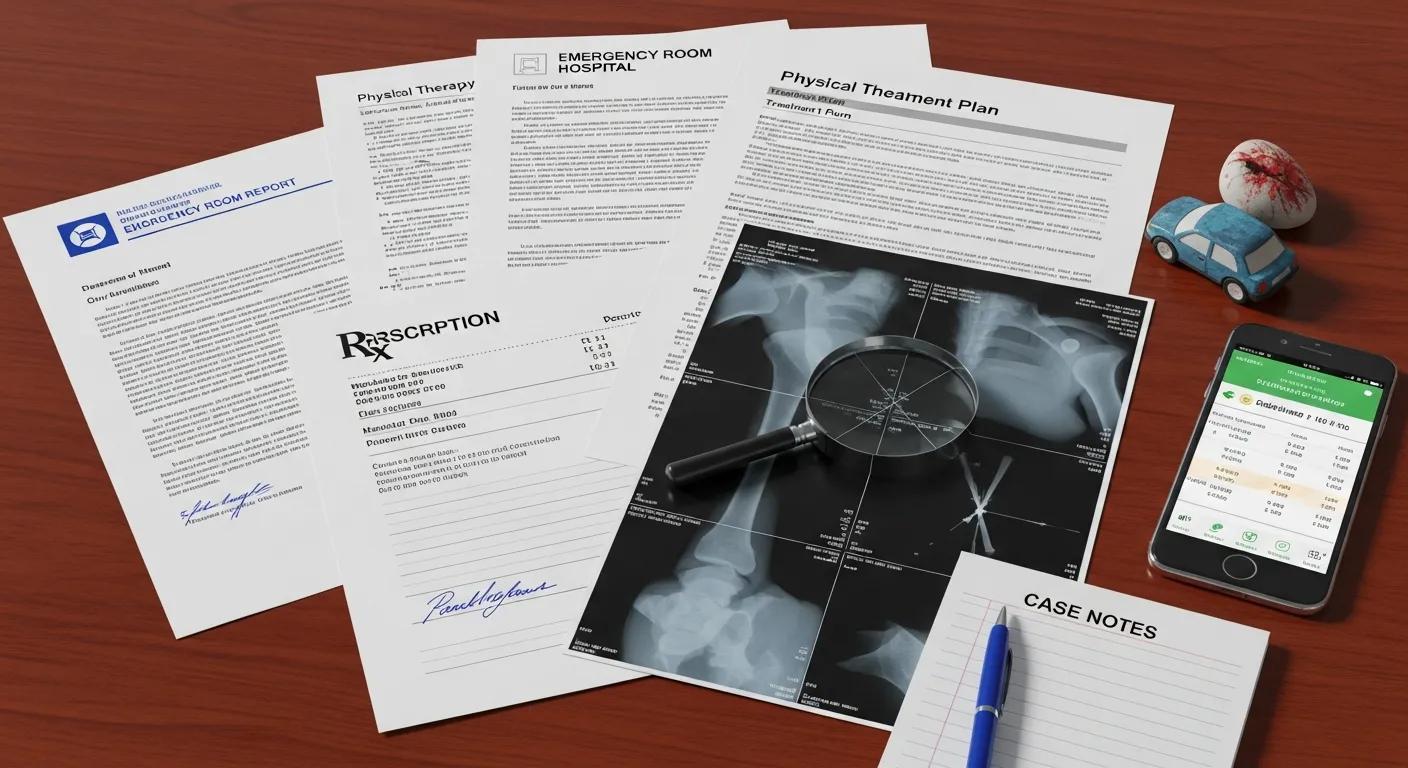
To support a claim, passengers must provide specific medical documentation, including:
Medical Records: Detailed accounts of injuries and treatments received.
Bills and Receipts: Proof of medical expenses incurred due to the accident.
Doctor's Statements: Professional opinions on the extent of injuries and expected recovery.
This documentation is essential for substantiating claims and ensuring fair compensation.
What Compensation Can Passengers Expect from Rideshare Crash Claims?
Passengers injured in rideshare accidents can expect various forms of compensation, depending on the circumstances of the accident and the severity of their injuries.
How Is Compensation Calculated for Passenger Injuries?
Compensation is typically calculated based on several factors, including:
Medical Expenses: All costs related to treatment and rehabilitation.
Lost Wages: Compensation for income lost due to the inability to work.
Pain and Suffering: Non-economic damages for physical and emotional distress.
Insurance adjusters will evaluate these factors to determine the total compensation amount.
What Recent Legal Cases and Precedents Affect Passenger Claims?
Recent legal cases have set important precedents for rideshare passenger claims. For instance, courts have increasingly recognized the liability of rideshare companies in accidents involving their drivers, particularly when drivers are engaged in a ride or logged into the app. This shift has made it easier for passengers to seek compensation, as it establishes a clearer path for holding companies accountable for their drivers' actions. Understanding these legal developments can empower passengers to assert their rights more effectively.
Legal Insights and Authoritative Guidance
To provide authoritative guidance on rideshare passenger injury claims, it is essential to consider expert opinions and established legal principles from recognized authorities in personal injury and transportation law. Legal scholars and practitioners emphasize the importance of understanding the nuanced liability frameworks that apply to rideshare incidents, which often differ from traditional motor vehicle accident cases.
Leading law firms specializing in rideshare accident claims recommend that passengers promptly engage experienced personal injury attorneys to navigate the complex insurance policies and liability issues. These experts highlight that rideshare companies' insurance policies are layered and may involve primary and secondary coverage, requiring detailed legal analysis to maximize compensation.
Furthermore, authoritative legal resources such as the American Bar Association and state-specific transportation regulatory bodies provide comprehensive guidelines on passengers' rights and the procedural requirements for filing claims. These resources underscore the critical nature of timely evidence collection, medical documentation, and adherence to statutory deadlines.
In addition, recent legislative developments in several states have strengthened protections for rideshare passengers, mandating minimum insurance coverage levels and clarifying liability standards. Staying informed about these changes through reputable legal publications and government websites can significantly enhance a passenger's ability to assert their rights effectively.
By integrating these expert insights and authoritative sources, passengers can approach their injury claims with greater confidence and legal clarity, ensuring that their rights are robustly protected in the evolving landscape of rideshare transportation