
Rideshare insurance is a critical component for both drivers and passengers, as it defines the scope of coverage and legal responsibilities in the event of an accident. This comprehensive guide explores the various types of rideshare insurance, liability considerations during accidents, and the specific laws regulating rideshare operations in Nevada. A clear understanding of these factors is essential for anyone involved with rideshare services such as Uber and Lyft to navigate the complexities of insurance and liability effectively. As rideshare services expand, questions about insurance coverage and legal accountability continue to grow. This article clarifies the distinctions between personal and commercial insurance, details the insurance policies offered by major rideshare companies, and outlines the claims process following an accident.
What Types of Rideshare Insurance Coverage Are Available?
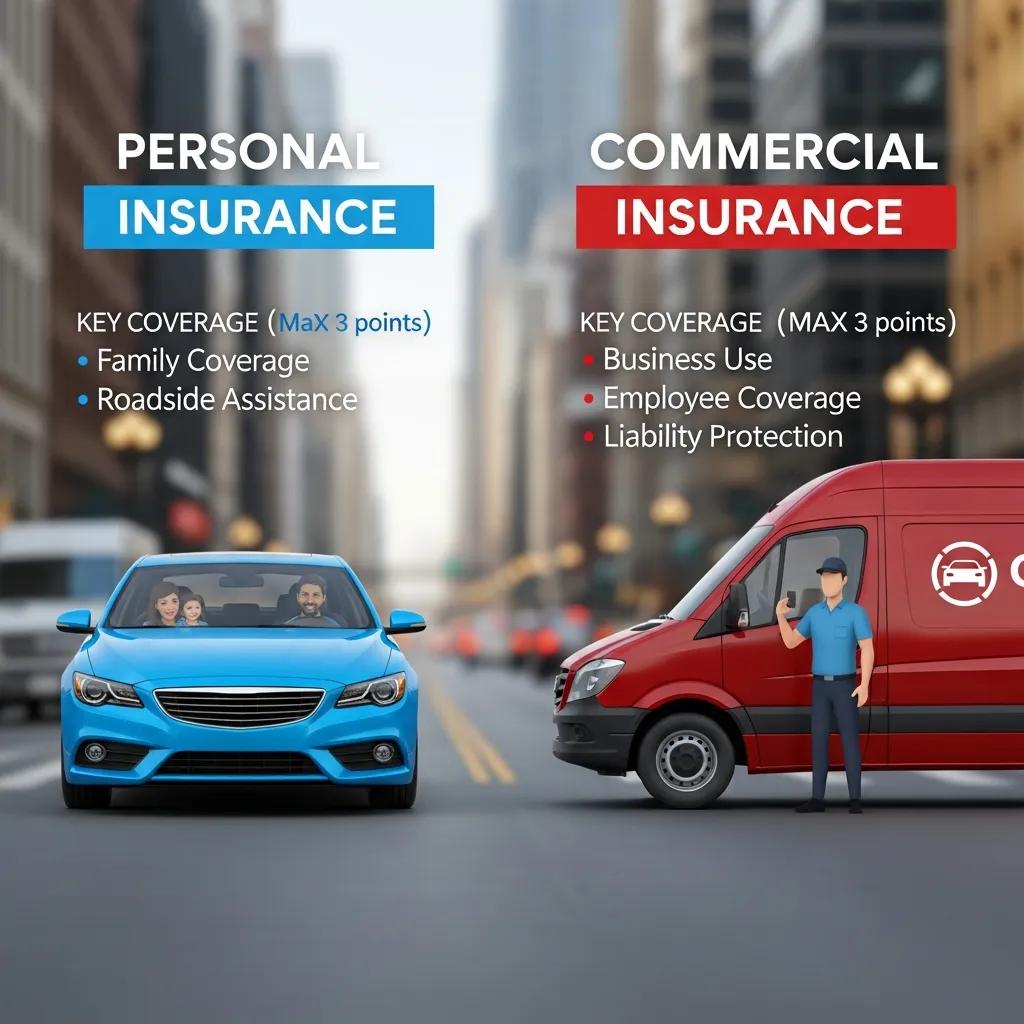
Rideshare insurance coverage is generally divided into personal and commercial insurance, each designed to meet different needs for drivers. Personal rideshare insurance typically covers drivers when they are not actively engaged in ridesharing or are waiting for ride requests, while commercial insurance is necessary when drivers have accepted a ride and are transporting passengers. Recognizing these distinctions is crucial for drivers to ensure they maintain appropriate and continuous coverage.
How Do Personal and Commercial Insurance Differ for Rideshare Drivers?
Personal rideshare insurance is intended for drivers using their vehicles for personal purposes, providing coverage for accidents occurring during non-commercial use or when the rideshare app is inactive. Conversely, commercial rideshare insurance is tailored for drivers actively working for rideshare companies, offering broader protection that includes liability for passengers once a ride is accepted. This distinction is vital because many personal insurance policies exclude coverage for accidents that happen while driving for a rideshare service, potentially exposing drivers to significant financial risk and liability.
It is important to understand that specialized rideshare insurance policies are designed to supplement or replace standard personal auto insurance during active rideshare driving periods.
Rideshare Insurance: Replacing Personal Policies for Uber & Lyft Drivers
If you’re considering driving for Uber or Lyft, rideshare insurance policies are essential. These policies replace your personal insurance during rideshare activities, allowing you to work for Uber and Lyft while ensuring you are covered.
The rideshare guide: Everything you need to know about driving for Uber, Lyft, and other ridesharing companies, 2018
What Are the Specific Insurance Policies Offered by Uber and Lyft?
Uber and Lyft provide tailored insurance policies for their drivers, which include liability coverage while the driver is logged into the app and during passenger transport. For example, Uber offers liability coverage up to $1 million for bodily injury and property damage when a driver is transporting a passenger, as well as lower coverage limits during the period when the driver is waiting for ride requests (period 2). Lyft offers comparable coverage, ensuring drivers are protected throughout the ride process. However, coverage limits and exclusions vary between the companies, making it essential for drivers to thoroughly understand their insurance options and policy details.
Who Is Liable in a Rideshare Accident?

Determining liability in a rideshare accident can be complex, often involving multiple parties such as the driver, the rideshare company, and sometimes passengers. Clarifying who is responsible for damages is essential for all parties involved to ensure proper legal and insurance processes are followed.
When Is the Driver Responsible for Liability?
A driver may be held liable for an accident if negligence is established, such as driving under the influence, distracted driving, or violating traffic laws. If the driver was using their vehicle for personal purposes at the time of the accident, their personal insurance may cover the damages. However, if the driver was logged into the rideshare app and either accepting rides or transporting passengers, the rideshare company's insurance typically becomes involved, which can complicate liability determinations.
How Do Rideshare Companies Like Uber and Lyft Share Liability?
Rideshare companies such as Uber and Lyft generally share liability with their drivers through their insurance policies. When a driver is actively engaged in ridesharing, the company’s insurance provides coverage for accidents occurring during this period. This shared liability means that both the driver and the rideshare company may be held accountable depending on the accident circumstances and the insurance coverage in place.
What Are the Key Nevada State Laws Affecting Rideshare Insurance and Liability?
Nevada has enacted specific laws governing rideshare insurance and liability, which are critical for drivers and passengers to understand. These laws establish minimum insurance requirements and define the responsibilities of rideshare companies operating within the state.
What Minimum Commercial Insurance Is Required for Rideshare Drivers in Nevada?
In Nevada, rideshare drivers must carry a minimum of $1 million in liability insurance while transporting passengers (period 3). When drivers are logged into the app but waiting for ride requests (period 2), the minimum liability coverage required is lower, typically $50,000 for injury or death per person, $100,000 per accident, and $25,000 for property damage. These requirements ensure passenger protection and provide a financial safety net for both drivers and riders in the event of an accident.
How Have Recent Nevada Regulations Changed Rideshare Liability Coverage?
Recent regulatory updates in Nevada have strengthened rideshare liability coverage requirements, mandating that drivers maintain adequate insurance at all times while transporting passengers. These changes aim to improve passenger safety and clarify the insurance responsibilities of rideshare companies, making it imperative for drivers to stay informed about their insurance obligations and compliance.
How Does the Rideshare Insurance Claims Process Work?
Understanding the claims process after a rideshare accident is essential for both drivers and passengers to ensure timely and effective resolution. Navigating this process can be complex, but knowing the necessary steps helps facilitate proper claims handling.
What Steps Should Passengers and Drivers Take After an Accident?
After a rideshare accident, passengers and drivers should immediately prioritize safety and document the incident thoroughly. Recommended steps include:
Calling emergency services if there are injuries or significant damage
Exchanging contact and insurance information with all parties involved
Taking detailed photos of the accident scene, vehicle damage, and any visible injuries
Notifying the rideshare company promptly to initiate the claims process
Following these steps helps ensure that all necessary information is collected to support insurance claims and potential legal actions.
What Legal Rights Do Passengers Have in Rideshare Accident Claims?
Passengers involved in rideshare accidents have specific legal rights, including the right to seek compensation for injuries, medical expenses, lost wages, and other damages. They may file claims against the driver’s personal insurance or the rideshare company’s insurance, depending on the circumstances of the accident and the coverage in place. Understanding these rights is crucial for passengers to secure fair compensation and protect their interests after an accident.