Swimming pool accidents can lead to serious injuries or even fatalities, emphasizing the importance of understanding legal rights and the claims process in Nevada. This article aims to provide clear guidance on swimming pool accident claims and drowning incidents, outlining the legal framework, the process for filing claims, and potential compensation avenues. Readers will learn how to navigate legal intricacies, ensuring they are well-informed if they or a loved one experiences such tragic events. We'll explore the roles of negligence and liability in pool accidents, vital for those seeking justice and compensation. The main sections will cover legal representation options, the step-by-step process for filing claims, relevant laws, and types of compensation available.
Legal Representation
When pursuing a swimming pool accident claim in Nevada, the attorney's specific background in premises liability and personal injury litigation shapes how the case is investigated, valued, and negotiated. This includes reviewing pool maintenance records, fencing and permit compliance, and any prior code violations at the property, the documentation insurers typically rely on to dispute liability. Attorneys with insurance-defense experience understand the valuation methods and negotiation tactics adjusters use to limit payouts, which informs how a claim is built and countered from the outset. Working with counsel experienced in these cases allows injured parties to focus on recovery while their claim is investigated, valued, and negotiated on their behalf.
Process for Filing Claims
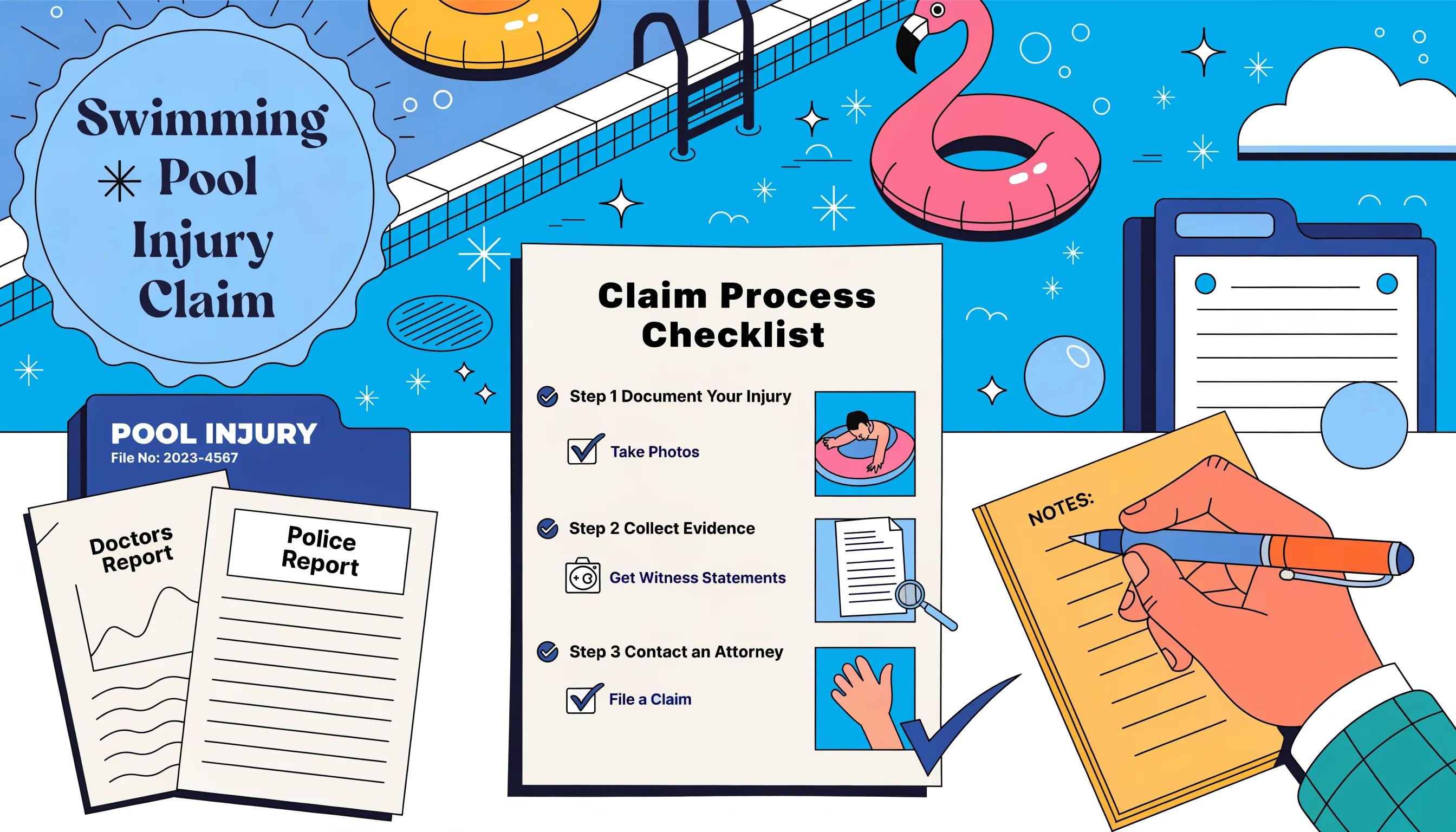
Filing a claim for a swimming pool accident involves several critical steps that victims must follow to ensure a successful case.
- Seek Medical Attention: Prioritize health and safety by seeking medical care immediately after an incident. This step is crucial for documenting injuries and starting recovery.
- Document the Scene: Gather evidence from the accident site, including photographs of injuries, pool conditions, and any witness statements. This information can serve as vital proof in legal proceedings.
- Notify the Property Owner: Promptly inform the property owner or manager of the incident, which is essential for establishing liability.
These steps play a significant role in building a solid case when pursuing compensation for injuries sustained in a swimming pool accident. Victims may consider attending a free consultation with experienced legal representatives to understand their rights and the claim processes further.
Relevant Laws
Understanding the relevant laws governing swimming pool accidents in Nevada is crucial for navigating claims effectively. The state imposes specific regulations on property owners concerning pool safety and maintenance. These regulations include standard safety protocols, ensuring that pools are adequately fenced and supervised to prevent unauthorized access and potential accidents. Additionally, the statute of limitations for personal injury claims in Nevada typically allows a two-year window for filing lawsuits. This time frame is vital for victims to keep in mind, as failing to file within this period can result in losing the right to seek compensation.
Types of Compensation
Victims of swimming pool accidents may be eligible for various types of compensation to address their injuries and associated costs. Compensation can cover:
- Medical Expenses: This includes costs for hospital stays, surgeries, rehabilitation, and ongoing treatment.
- Lost Wages: If an injury results in an inability to work, victims may claim compensation for lost income.
- Pain and Suffering: Victims can seek compensation for the physical pain and emotional distress caused by their injuries.
Understanding the types of compensation available allows victims to better assess their claims and what financial relief they may pursue following an accident.
What Are the Key Elements of Nevada Pool Accident Liability?
The key elements of liability in pool accident cases include establishing that the property owner was negligent. Negligence can arise from various factors, such as:
- Unsafe Conditions: Failure to maintain the swimming pool safely can be a ground for liability.
- Lack of Proper Safety Measures: Inadequate safety features, like fencing or lifeguards, can also lead to claims.
- Violation of Local Regulations: Not adhering to safety laws and regulations can signify negligence.
Establishing these elements is essential for proving liability and ultimately securing compensation for the injured party.
How Does Nevada Law Define Negligence in Swimming Pool Injuries?
Nevada law defines negligence as the failure to act with the care that a reasonably prudent person would exercise in similar circumstances. For swimming pool injuries, this often involves assessing whether the property owner took appropriate measures to prevent accidents and ensure the safety of swimmers. Factors contributing to negligence cases may include insufficient supervision, poorly maintained equipment, or failure to provide necessary safety measures. By demonstrating negligence, victims can effectively argue their case and secure compensation for their injuries.
Who Can Be Held Responsible for Pool-Related Drowning Incidents?
Responsibility in drowning incidents can fall on multiple parties, including:
- Property Owners: They hold the primary duty of care to ensure the pool is safe for swimmers.
- Lifeguards or Supervisors: If employed, their failure to monitor swimmers adequately may contribute to liability.
- Manufacturers: Defective pool equipment that leads to accidents can implicate manufacturers in liability claims.
Each case is unique, so understanding the specific circumstances surrounding an incident is crucial for determining liability.
What Is the Process for Filing Swimming Pool Injury Claims in Nevada?
The process for filing swimming pool injury claims in Nevada generally involves the following steps:
- Consult a Personal Injury Attorney: This first step often includes a free consultation where victims can evaluate their case's viability.
- Gather Evidence: Collect any documentation and evidence illustrating the circumstances of the accident.
- File a Claim: After reviewing evidence and details, the attorney will file a claim with the appropriate insurance company.
- Negotiation or Litigation: Most claims are negotiated, but if an agreement cannot be reached, litigation may be necessary.
Following this process ensures that victims pursue their claims systematically and thoroughly.
Which Documentation and Evidence Are Required to Support Pool Injury Claims?
To support pool injury claims, several types of documentation and evidence should be collected:
- Medical Records: Documentation of injuries and treatments received is vital in substantiating claims.
- Photographs: Visual evidence of the accident scene can help illustrate unsafe conditions or negligence.
- Witness Statements: Statements from individuals who witnessed the incident can strengthen the claim by corroborating the victim's narrative.
Gathering adequate documentation early on can contribute significantly to the success of a claim.
What Are the Nevada Statute of Limitations for Pool Accident Lawsuits?
While the general two-year filing deadline outlined above applies to most swimming pool accident claims, several circumstances can shorten or extend it. Claims involving a government-owned or -operated pool are subject to separate notice-of-claim requirements, which demand formal notice to the public entity well before the two-year deadline expires. Wrongful death claims arising from a drowning incident carry their own two-year clock, typically measured from the date of death rather than the date of the accident. For a minor injured in a pool accident, the filing period is generally tolled until the child turns 18, after which the standard two-year window begins to run. Because these variations can affect a claim's viability, victims should confirm the applicable deadline with an attorney as soon as possible after an incident.
How Is Compensation Determined for Nevada Swimming Pool Injury and Drowning Cases?
Compensation in Nevada swimming pool injury cases is determined through various factors, including:
- Degree of Negligence: Higher degrees of negligence typically yield greater compensation.
- Extent of Injuries: The severity and permanency of injuries influence the amount awarded.
- Economic Losses: Evaluating medical expenses, lost wages, and other economic damages is critical in determining compensation.
By understanding these factors, victims can better navigate their claims and expectations for compensation.
What Types of Damages Can Victims Claim for Pool Accident Injuries?
Victims of pool accidents may claim several types of damages, including:
- Economic Damages: These cover quantifiable losses such as medical bills and lost earnings.
- Non-Economic Damages: Includes compensation for pain, suffering, and loss of enjoyment of life.
- Punitive Damages: In cases of egregious negligence, victims may seek punitive damages intended to punish the defendant.
Recognizing the different damages available can help victims adequately prepare their claims.
How Do Recent Nevada Court Decisions Affect Pool Injury Compensation Claims?
Recent court decisions in Nevada have clarified the legal framework surrounding personal injury claims, particularly regarding pool accidents. Courts have upheld strict liability principles, whereby property owners can be held accountable for injuries regardless of fault if safety regulations have been violated. This trend emphasizes the importance of adhering to safety standards and can significantly influence potential compensation levels in future cases.
What Are Nevada's Swimming Pool Safety Regulations and Prevention Standards?
Nevada's swimming pool safety regulations require owners to maintain safe environments through various stipulations. These include:
- Fencing Requirements: Pools must be enclosed by fencing that meets specific height and gate standards to prevent unauthorized access.
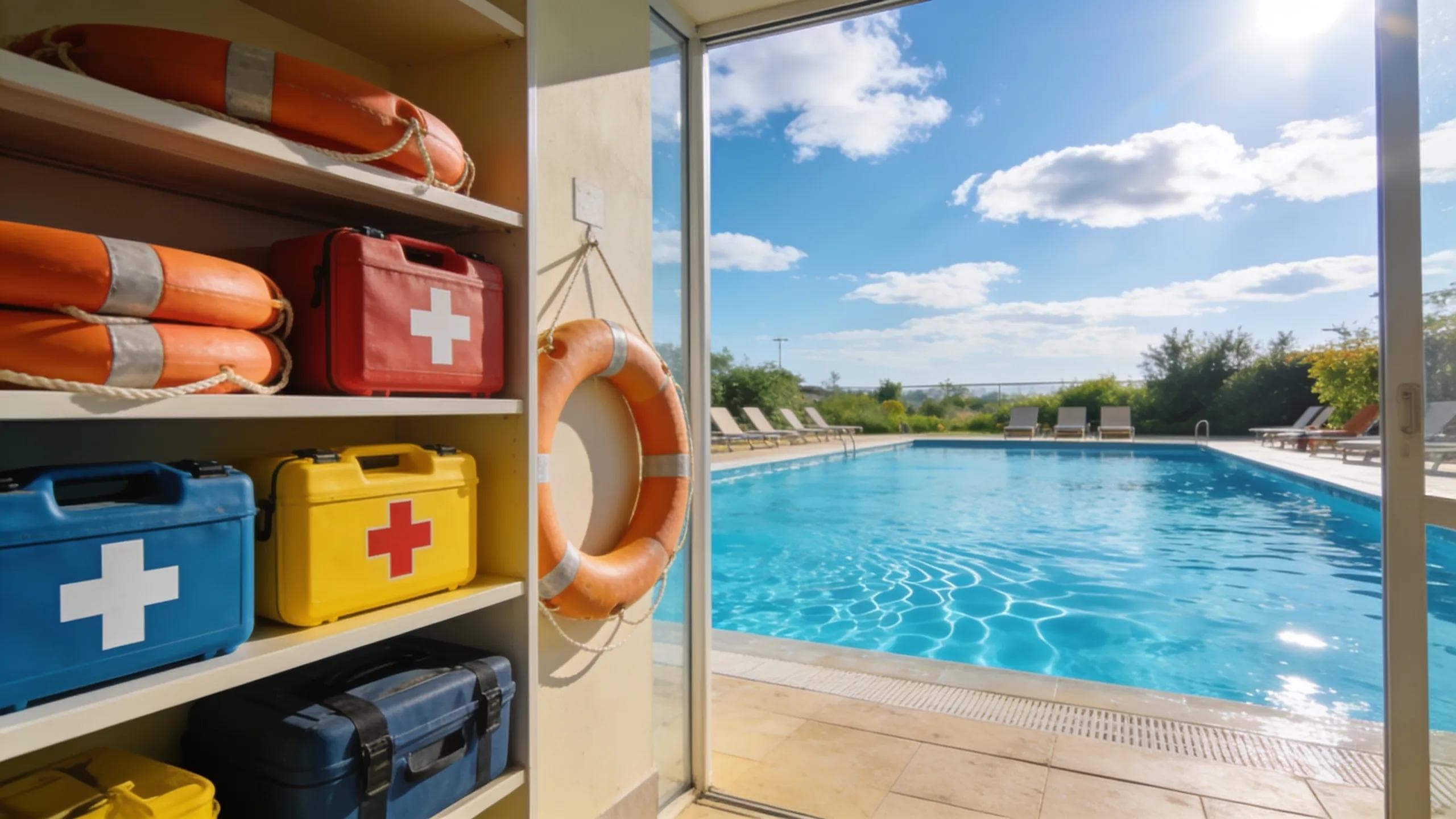
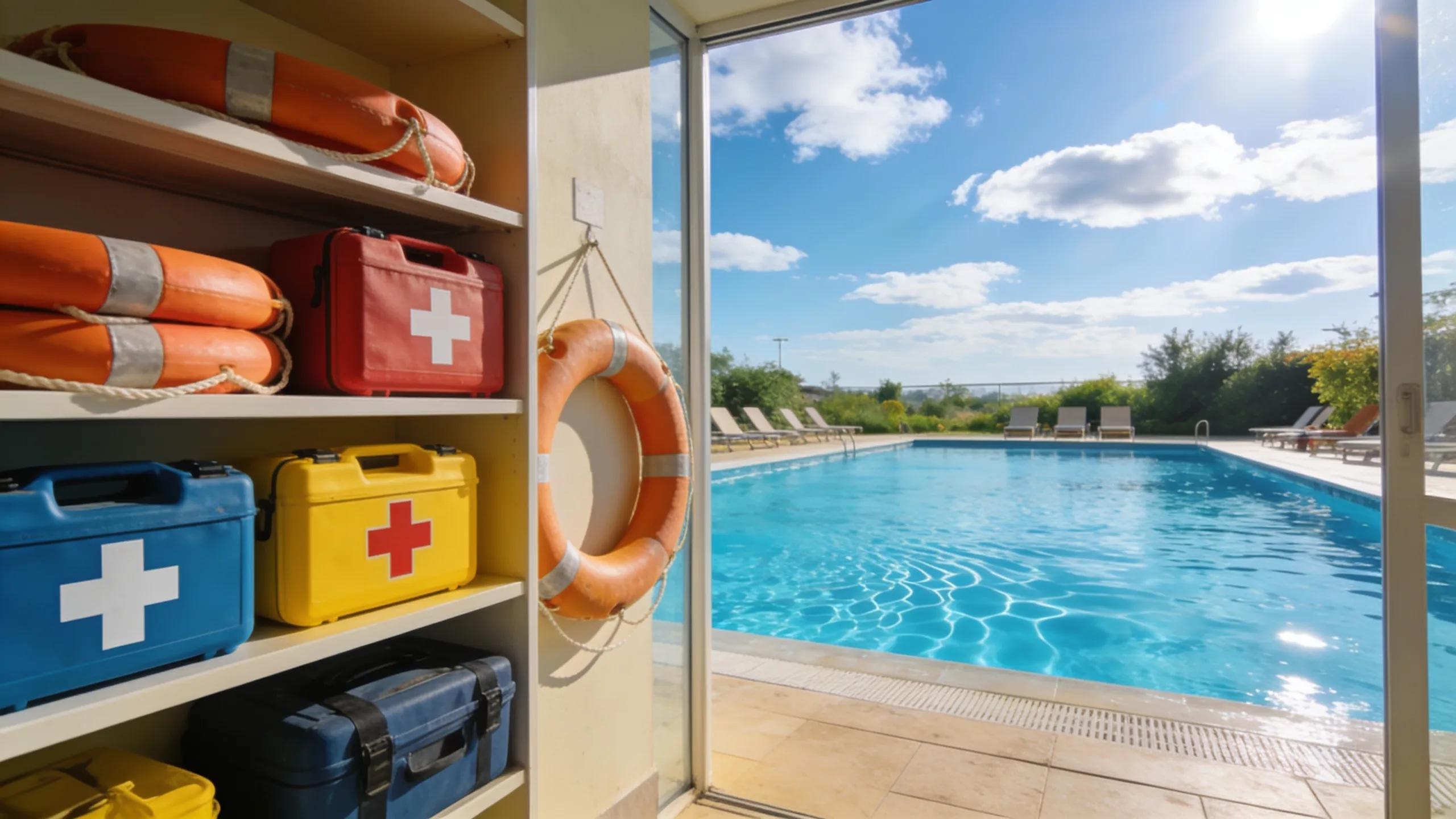
- Safety Equipment: Availability of rescue equipment and first aid kits is mandated.
- Supervision Standards: Ensuring appropriate supervision during operational hours is essential for safeguarding swimmers.
Adhering to these regulations is crucial for reducing the risk of accidents and minimizing liability.
What Are the Mandatory Pool Fencing and Supervision Requirements in Nevada?
Beyond the general safety standards outlined above, Nevada's fencing and supervision rules carry direct legal consequences for property owners who fall short of them. A pool enclosure must be at least four feet high with a self-closing, self-latching gate; an owner who allows that gate to remain propped open, damaged, or unlatched is exposing the property to a premises liability claim if a child or unsupervised swimmer gains access. Likewise, when a property designates supervisors for pool operations, the absence of a supervisor during posted hours, or a supervisor's failure to monitor swimmers actively, can itself become the central liability issue in a drowning or near-drowning case. Because these violations are often documented through inspection records, incident reports, and code enforcement history, they frequently form the evidentiary backbone of a claim.
How Can Compliance With Nevada Pool Safety Laws Prevent Future Injuries?
Compliance with Nevada's pool safety laws creates a safer environment for swimmers and can reduce the likelihood of accidents occurring. By ensuring regular maintenance, proper supervision, and adherence to safety regulations, pool owners contribute to a culture of safety. This proactive approach not only protects individuals but also minimizes potential legal liabilities, reinforcing the importance of responsible pool ownership.